
Chemical and Petrochemical Engineering
Welcome to the Department of Chemical and Petrochemical Engineering.
Since the academic year 2017-2018, the Chemical and Petrochemical Engineering Department at Salahaddin University has been a leading center for engineering education and research which is nearly 150 students. department is committed to preparing students with the theoretical knowledge and practical expertise required to excel in the dynamic fields of chemical and petrochemical industries.
Chemical and Petrochemical Engineering focuses on the design, development, production, transformation, transportation, operation, and management of industrial processes that convert raw materials into valuable products.
This broad foundation enables graduates to address complex challenges in energy, manufacturing, environmental sustainability, and process optimization.
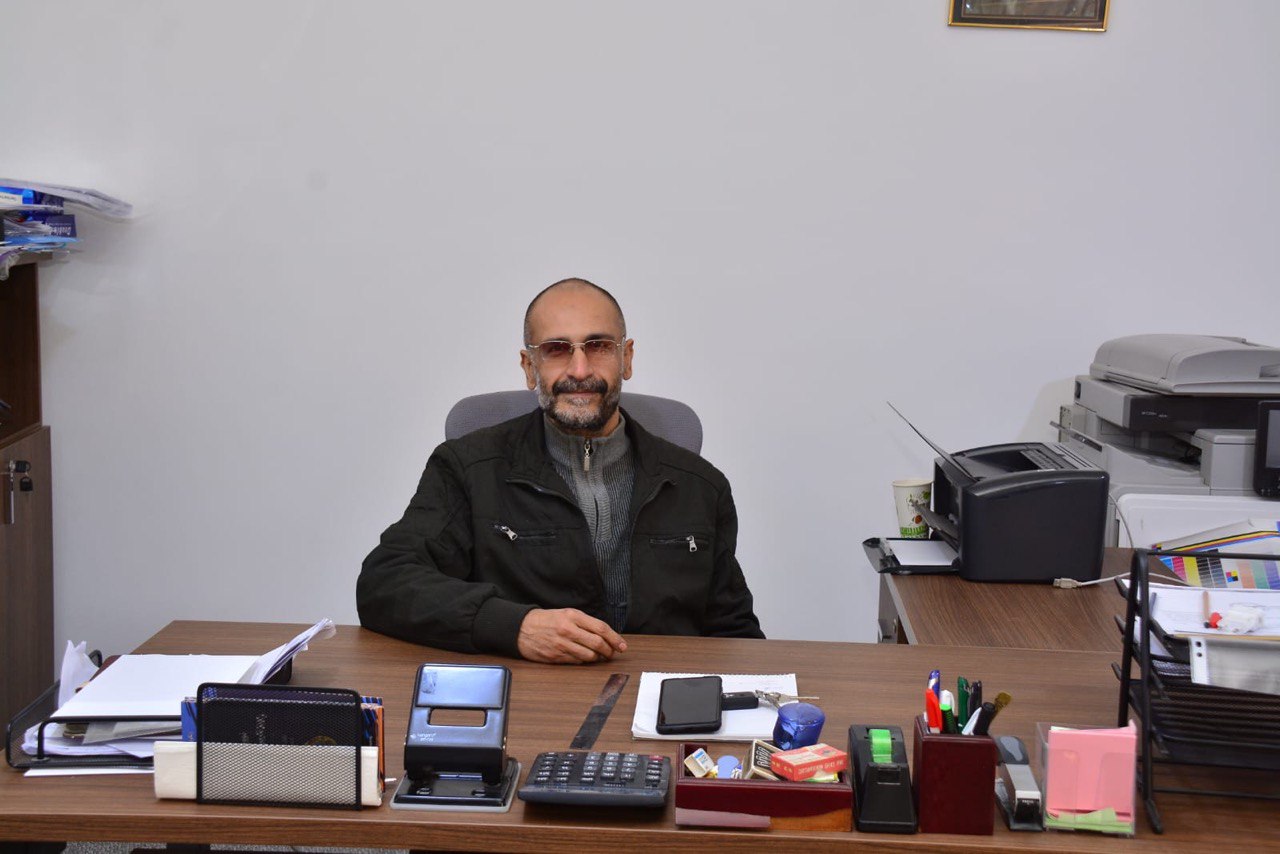
Name: Dr. Chalang hamarashed mohammed
Title: Head of chemical and petrochemical Department
Contact Information:
Email: [email protected]
Phone:
Office: Head of chemical and petrochemical Department
Social Links: https://academics.su.edu.krd/chalang.mohammed
Chalang Hama Rashed
Head of Chemical and Petrochemical Engineering Deparment
Chalang Hama Rashed Mohammed received his BSc in Mechanical Engineering from the University of Salahaddin Erbil, Iraq. He then worked as an Engineer in the Ministry of Work and Reconstruction in the Kurdistan Regional Government. In 2004, he received his MSc in Production, also from the University of Salahaddin Erbil, Iraq and subsequently became a member of the academic staff, as an Assistant Lecturer, at the same university. In 2015, he get a PhD degree at the Universiti Kebangsaan Malaysia. His research interests are in multiple model adaptive control and control systems for hydro turbine generators.
The mission of chemical and petrochemical engineering is to provide a stimulating and supportive environment for quality education; to prepare graduates for career opportunities in a rapidly changing world by fostering the development of professionalism, leadership qualities and ethical behavior, and to contribute to expanding the knowledge in chemical engineering and its related fields.
1.be able to advance successfully in their careers as reflected in continued employment,
job satisfaction, leadership responsibilities, and professional recognition while always
maintaining ties with the University,
2.be able to apply their scientific knowledge and engineering skills in graduate studies and/or
industry,
- be professionals who recognize the broader aspects of engineering practice including
economic, environmental, social, political, safety, and sustainability constraints.
VisionThe Chemical and Petrochemical Engineering Department at Salahaddin University aims to be a regional leader in engineering education, research, and innovation. Our vision is to:
- Excel in Education – Produce highly competent engineers equipped with cutting-edge knowledge in chemical and petrochemical processes, capable of driving industrial growth and sustainability.
- Advance Research & Innovation – Foster groundbreaking research in energy, environmental engineering, advanced materials, and process optimization to address global challenges.
- Strengthen Industry Partnerships – Collaborate with leading petrochemical, oil & gas, and manufacturing industries to ensure our graduates meet market demands and contribute to Iraq’s economic development.
- Promote Sustainability – Develop eco-friendly and energy-efficient technologies to support a greener industrial future.
1.Good knowledge of mathematics, basic and engineering sciences relevant to his/her engineering discipline.
2.Ability to analyse problems and find engineering solutions to them;
3.Ability to carry out investigations.
4.Proficiency in using standards, codes, modern information and communication
technology tools in engineering practice.
5.Some knowledge of humanities and social sciences to help him/her understand the cultural milieu in which he/she is to operate.
6.Ability to consider the environment and sustainability in finding solutions to problems.
7.Good knowledge of the ethics of the engineering profession (Engineering Code of Conduct).
- Ability to work alone and in a team.
9.Good oral and written communication skills.
Course names (theory and practice) with Credit hours and hours per week
Geomatics (Surveying) Engineering Study Program |
||||||
|
Semestre 1 |
||||||
|
کۆد |
Module |
کۆی کاتژمێر Total Hours |
یەکە Units |
کاتژمێرلە هەفتەیەک Hours/Week |
||
|
Code |
تیۆری Theory |
پراکتیکی Practical |
رێبەر |
|||
|
|
Tutorial |
|||||
|
ENG1011 |
English Language I |
4 |
3 |
2 |
2 |
|
|
ENG1021 |
Information Technology I |
3 |
2 |
1 |
2 |
|
|
ENG1031 |
Critical Thinking & Academic Debate I |
3 |
2 |
1 |
2 |
|
|
ENG 1041 |
Kurdology I |
2 |
2 |
2 |
|
|
|
GE1051 |
Fundamental of Surveying Engineering |
6 |
5 |
3 |
3 |
|
|
GE1061 |
4 |
3 |
3 |
|
1 |
|
|
GE1070 |
Engineering Statistics-I |
2 |
2 |
2 |
|
|
|
GE1081 |
3 |
2 |
1 |
2 |
|
|
|
Total |
|
27 |
21 |
15 |
11 |
1 |
|
|
|
|
|
|
|
|
|
Semester 2 |
||||||
|
کۆد |
Module |
کۆی کاتژمێر Total Hours |
یەکە Units |
کاتژمێرلە هەفتەیەک Hours/Week |
||
|
Code |
تیۆری Theory |
پراکتیکی Practical |
رێبەر |
|||
|
|
Tutorial |
|||||
|
ENG1012 |
English Language II |
4 |
3 |
2 |
2 |
|
|
ENG1022 |
Information Technology II |
3 |
2 |
1 |
2 |
|
|
ENG1032 |
Critical Thinking & Academic Debate II |
3 |
2 |
1 |
2 |
|
|
ENG1042 |
Kurdology II |
2 |
2 |
2 |
|
|
|
GE1052 |
Plain Surveying |
6 |
5 |
3 |
3 |
|
|
GE1062 |
4 |
3 |
3 |
|
1 |
|
|
GE1072 |
Engineering Statistics-II |
2 |
2 |
2 |
|
|
|
GE1083 |
3 |
2 |
1 |
2 |
|
|
|
Total |
|
27 |
21 |
15 |
11 |
1 |
Geomatics (Surveying) Engineering Study Program |
||||||
|
Semester 3 |
||||||
|
کۆد |
Module |
کۆی کاتژمێر Total Hours |
یەکە Units |
کاتژمێرلە هەفتەیەک Hours/Week |
||
|
Code |
تیۆری Theory |
پراکتیکی Practical |
رێبەر |
|||
|
|
Tutorial |
|||||
|
GE2013 |
Eng. Surveying -I |
7 |
6 |
4 |
3 |
|
|
GE2023 |
Mathematics I |
4 |
3 |
2 |
2 |
|
|
GE2033 |
Basic Survey Instruments |
4 |
3 |
2 |
2 |
|
|
GE2043 |
Descriptive Geometry |
4 |
3 |
2 |
2 |
|
|
GE2053 |
Engineering Geology |
2 |
2 |
2 |
|
|
|
GE2063 |
Land Law |
2 |
2 |
2 |
|
|
|
GE2073 |
Map projection |
2 |
2 |
2 |
|
|
|
GE2083 |
Theory of errors -I |
2 |
2 |
2 |
|
|
|
Total |
27 |
23 |
18 |
9 |
0 |
|
|
Semester 4 |
||||||
|
کۆد |
Module |
کۆی کاتژمێر Total Hours |
یەکە Units |
کاتژمێرلە هەفتەیەکHours/Week |
||
|
Code |
تیۆری Theory |
پراکتیکی Practical |
رێبەر |
|||
|
|
Tutorial |
|||||
|
GE2014 |
Eng. Surveying-II |
7 |
6 |
4 |
3 |
|
|
GE2024 |
Mathematics II |
4 |
3 |
2 |
2 |
|
|
GE2034 |
Data Processing |
4 |
3 |
2 |
2 |
|
|
GE2044 |
High-Precision Surveys |
4 |
3 |
2 |
2 |
|
|
GE2054 |
Cadastral Surveying |
2 |
2 |
2 |
|
|
|
GE2064 |
Map Cartography |
2 |
2 |
2 |
|
|
|
GE2074 |
Physics for Engineering |
2 |
2 |
2 |
|
|
|
GE2084 |
Theory of errors -II |
2 |
2 |
2 |
|
|
|
Total |
27 |
23 |
18 |
9 |
0 |
|
|
|
||||||||||||||
|
|
||||||||||||||
|
|
Geomatics (Surveying) Engineering Study Program |
|||||||||||||
|
|
Semester 5 |
|||||||||||||
|
|
کۆد |
Module |
کۆی کاتژمێر Total Hours |
یەکە Units |
کاتژمێرلە هەفتەیەکHours/Week |
|||||||||
|
|
Code |
تیۆری Theory |
پراکتیکی Practical |
رێبەر |
||||||||||
|
|
|
Tutorial |
||||||||||||
|
|
GE3015 |
Highway Engineering |
4 |
4 |
4 |
|
|
|||||||
|
|
GE3025 |
Construction Surveying |
5 |
4 |
2 |
3 |
|
|||||||
|
|
GE3035 |
Photogrammetry |
5 |
4 |
2 |
3 |
|
|||||||
|
|
GE3045 |
Global Geodesy |
3 |
3 |
3 |
|
|
|||||||
|
|
GE3055 |
Adjustment Theory-I |
4 |
3 |
2 |
2 |
|
|||||||
|
|
GE3065 |
Digital Mapping-I (principal) |
4 |
3 |
2 |
2 |
|
|||||||
|
|
GE3075 |
Engineering Analysis-I |
2 |
2 |
2 |
|
|
|||||||
|
|
GE3085 |
Summer training |
|
|
|
|
|
|||||||
|
|
Total |
|
27 |
23 |
17 |
10 |
0 |
|||||||
|
|
||||||||||||||
|
|
Semester 6 |
|||||||||||||
|
|
کۆد |
Module |
کۆی کاتژمێر Total Hours |
یەکە Units |
کاتژمێرلە هەفتەیەکHours/Week |
|||||||||
|
|
Code |
تیۆری Theory |
پراکتیکی Practical |
رێبەر |
||||||||||
|
|
|
Tutorial |
||||||||||||
|
|
GE3016 |
Geometrical application for environmental |
4 |
4 |
4 |
|
|
|||||||
|
|
GE3026 |
Digital Photogrammetry |
5 |
4 |
2 |
3 |
|
|||||||
|
|
GE3036 |
Quantity Surveying |
5 |
4 |
2 |
3 |
|
|||||||
|
|
GE3046 |
Astronomical Geodesy |
3 |
3 |
3 |
|
|
|||||||
|
|
GE3056 |
Adjustment Theory-II |
4 |
3 |
2 |
2 |
|
|||||||
|
|
GE3066 |
Digital Mapping-II (applications) |
4 |
3 |
2 |
2 |
|
|||||||
|
|
GE3076 |
Engineering Analysis-II |
2 |
2 |
2 |
|
|
|||||||
|
|
GE3086 |
Summer training |
|
|
|
|
|
|||||||
|
|
Total |
|
27 |
23 |
17 |
10 |
0 |
|||||||
|
Geomatics (Surveying) Engineering Study Program |
||||||
|
Semester 7 |
||||||
|
کۆد |
Module |
کۆی کاتژمێر Total Hours |
یەکە Units |
کاتژمێرلە هەفتەیەکHours/Week |
||
|
Code |
تیۆری Theory |
پراکتیکی Practical |
رێبەر |
|||
|
|
Tutorial |
|||||
|
GE4017 |
Geographic Information Systems (GIS) |
5 |
4 |
2 |
3 |
|
|
GE4027 |
GNSS Space system |
5 |
4 |
2 |
3 |
|
|
GE4037 |
Remote Sensing |
5 |
4 |
2 |
3 |
|
|
GE4047 |
Elective Subject |
2 |
2 |
2 |
|
|
|
GE4057 |
Engineering Economics |
2 |
2 |
2 |
|
|
|
GE4067 |
Hydrographic Survey-I |
2 |
2 |
2 |
|
|
|
GE4077 |
Urban Planning-I |
2 |
2 |
2 |
|
|
|
GE4087 |
Engineering Project |
3 |
1 |
1 |
|
2 |
|
Total |
|
26 |
21 |
15 |
9 |
2 |
|
|
|
|||||
|
Semester 8 |
||||||
|
کۆد |
Module |
کۆی کاتژمێر Total Hours |
یەکە Units |
کاتژمێرلە هەفتەیەکHours/Week |
||
|
Code |
تیۆری Theory |
پراکتیکی Practical |
رێبەر |
|||
|
|
Tutorial |
|||||
|
GE4018 |
Digital Image processing |
5 |
4 |
2 |
3 |
|
|
GE4028 |
GPS |
5 |
4 |
2 |
3 |
|
|
GE4038 |
Satellite Geodesy |
5 |
4 |
2 |
3 |
|
|
GE4048 |
Elective Subject |
2 |
2 |
2 |
|
|
|
GE4058 |
Engineering Management |
2 |
2 |
2 |
|
|
|
GE4068 |
Hydrographic Survey-II |
2 |
2 |
2 |
|
|
|
GE4074 |
Urban Planning-II |
2 |
2 |
2 |
|
|
|
GE4088 |
Engineering Project |
3 |
1 |
1 |
|
2 |
|
Total |
|
26 |
21 |
15 |
9 |
2 |
Admissions Details
Every academic year, new undergraduate students are admitted to the department of Chemical and Petrochemical, through the Kurdistan Region’s Central Admissions System under the supervision of Ministry of Higher Education and Scientific Research (MHE).
Annual Student Capacity
- Total department capacity:30 to 60 students per academic year
Admission Requirements
- Completion of the 12th grade (science stream)or equivalent secondary education.
- Eligibility according to Kurdistan Region's General Directorate of Admissions.
- Students are admitted based on their baccalaureate exam scores.
Program learning outcome
A comprehensive curriculum for a Chemical and Petrochemical Engineering department (Bachelor of Engineering degree) in Erbil, Iraq, would generally follow international standards while incorporating local context and potential specializations. It's typically a four-year program.
Bachelor of Chemical and Petrochemical Engineering
Program Duration: 4 Years (8 Semesters)
Total Credit Hours: 240- ECTS credits (or equivalent US credits).
(Core: 170 | Elective: 70)
- Academic Advising
Chemical and Petrochemical engineering department provide essential information for students regarding academic advising, aiding in their academic and professional development. Importance of Advising, highlight how academic advising supports students in navigating their educational journey, making informed decisions, and achieving their career goals.
students are assigned an academic advisor (a faculty member) who provides guidance on course selection, academic progress, career paths, and general university life.
Initial Meeting: Outline what students can expect during their first advising meeting, including discussion topics like academic goals, course selection, and degree requirements.
Regular Check-Ins: Encourage students to meet with their advisors.
Library and Information Resources:
Salahaddin University Central Library: Provides a vast collection of physical books, journals, and periodicals.
E-Library (SULIB): An electronic library system recently completed at SUE (as of April 2025), offering digital access to books, academic journals (including open-access journals), and potentially e-theses and research projects. This is invaluable for accessing up-to-date engineering literature.
Departmental Resources: our department also maintain a smaller, specialized collection of Chemical engineering-specific textbooks, manuals, and technical reports for easy student access.
- Internship Opportunities
Career and Professional Development Resources:
Career Development Center (CDC): Salahaddin University-Erbil has a dedicated CDC that aims to:
- Bridge the gap between the university and industry.
- Prepare students for the private market through internships, training, workshops, and seminars.
- Provide assistance with resume writing, cover letters, and interview skills.
- Organize job fairs and connect students with potential employers in the Kurdistan Region.
- Promote entrepreneurship and professional development.
Industrial Training/Internships: The curriculum explicitly mentions industrial training/internships. The department and CDC would assist students in securing placements for relevant companies.
- Career Services
The Department of Chemical and Petrochemical Engineering is strongly committed to guiding students in their journey from academic learning to professional engagement. Through structured career development programs, industrial partnerships, internship opportunities, and mentorship initiatives, we ensure that our students graduate not only with theoretical and practical expertise but also with the confidence and connections required to thrive in the chemical and petrochemical sectors.