
is one of the main departments in the college of engineering at University of Salahaddin. It has been established on September 2009. Geomatics engineering is the modern term for surveying engineering, which is considered as a rapidly developing engineering discipline that focuses on spatial information. The given courses in this engineering branch will provide the student the ability for gathering, measuring, and archiving geospatial data for the earth from ground or space.
Geomaticions plays an important role in different engineering fields either in mapping or construction. For instance, the careers that Geomatics engineer can be involved are: mapping, urban planning, land surveying, satellite image processing, GIS Analysis and map production, and others. The studying in this branch will be over four academic years, afterward the graduated student will get a Bachelor of Science (BSc) degree in Geomatics (Surveying) engineering from College of Engineering – University of Salahaddin.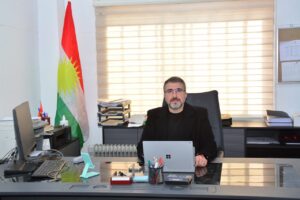
Name: Dr.Danar Hassan Ghalib Talabani
Title: Head of Geomatics Engineering Department
Geomatics is a field that incorporates several others such as the older field of land surveying engineering along with many other aspects of spatial data management ranging from data science and cartography to geography. Following the advanced developments in digital data processing, the nature of the tasks required of the professional land surveyor has evolved significantly in recent years. As our societies become more complex, information with a spatial position associated with it becomes more critical to decision-making, both from a personal and a business perspective, and also from a community and a large-scale governmental viewpoint.
Geomatics engineers utilize a wide range of technologically advanced tools such as digital theodolite/distance meter total stations, Global Positioning System (GPS) equipment, digital aerial imagery (both satellite and air-borne), and computer-based geographic information systems (GIS). These tools enable the geomatics engineer to gather, process, analyze, visualize and manage spatially related information to solve a wide range of technical and societal problems.
The aim of geomatics engineering is; the development and use of various spatial techniques based on modern technology to better understand, plan, organize, monitor and manage the earth we live in, the production of various maps and spatial data / information for the needs of the country (planning, property, defense etc.) and determining precise position (horizontal and vertical) of any kind of space or land related to the earth.
For contacting:email: [email protected]
phone : +964750484545In 2009, the Department developed a mission statement to present our aims through maintain world class undergraduate and graduate training of highly skilled engineers in order to be cable to fulfil the of regional, national and international requirements. It is also grantee that the graduated student from our department is well educated and are able to operate effectively and professionally within the public and private constructions sector and full fill its needs. Also, to keep and continue research area within standard disciplines, and cooperate with international level for teaching and research that our resources permit
Objectives
The objective of the department is to train the students to plan and handle filed works and applications of scientific methodology in handling field samples. Also to teach the students with science and technology of mapping, GIS and remote sensing.
Job description for graduates of this department
Geomatics engineers apply advanced methods and technologies to collect, analyze, and manage spatial data. They carry out measurements, collect and interpret data about areas of land, including information about boundaries, buildings and both natural and man-made features.
Geomatics is one of the most technologically advanced branches of surveying, playing a crucial role across a diverse range of sectors, including:
- cartography
- construction
- geographical information systems
- offshore engineering and exploration.
Provide high quality Technological Education and Training, Research, Professional Services and Innovation in the field of mapping, planning and analyzing geospatial data.
Degree program Overview > Undergraduate study
The Department of Geomatics Engineering at Salahaddin University-Erbil offers a distinct undergraduate program under the Bologna Process framework. The program leads to the award of a Bachelor of Science (B.Sc.) in Geomatics Engineering.
Each undergraduate program spans four academic years (eight semesters) and is designed to provide a balance between theoretical knowledge, practical skills, and industry-oriented learning. The curriculum includes core modules, elective modules, project work, and an internship, all aimed at preparing graduates for careers in engineering, industry, research, and higher education.
This department focuses on surveying, mapping, remote sensing, geographic information systems (GIS), global navigation satellite systems (GNSS), that involve acquiring and managing spatial data to support decision-making across diverse sectors.
Key areas include:
- Land surveying and boundary determination
- Cadastral and topographic mapping
- Geospatial data analysis and modeling
- Digital Surface and terrain modelling through UAV and Satellite imagery
- Climate analysis, Air pollution analysis, and Environmental impact Assessment (an integration with GIS) using satellite images.
- Urban Planning and Development
Degree program Overview > Postgraduate studies
Graduates are prepared to work in government agencies, private sector, industrial power systems, or pursue advanced studies in Geomatics Engineering related disciplines.
Program Structure
Each program follows the Bologna Process and includes:
- Core Modules: Fundamental sciences and electrical engineering topics.
- Elective Modules: Specialized courses tailored to each branch.
- Engineering Project (8th semester): Capstone project demonstrating applied skills.
- Internship (8th semester): Practical experience in industry or research.
- Complementary Modules: Optional enrichment courses in cutting-edge topics.
Graduate Profile
Upon completion of their program, graduates will be capable of:
- Applying geomatics engineering principles in practical and theoretical contexts.
- Utilizing modern tools and technologies for design and analysis.
- Communicating effectively and working collaboratively in multidisciplinary teams.
- Practicing ethically and responsibly with a commitment to sustainability and innovation.
Course names (theory and practice) with Credit hours and hours per week
Geomatics (Surveying) Engineering Study Program |
||||||
|
Semestre 1 |
||||||
|
کۆد |
Module |
کۆی کاتژمێر Total Hours |
یەکە Units |
کاتژمێرلە هەفتەیەک Hours/Week |
||
|
Code |
تیۆری Theory |
پراکتیکی Practical |
رێبەر |
|||
|
|
Tutorial |
|||||
|
ENG1011 |
English Language I |
4 |
3 |
2 |
2 |
|
|
ENG1021 |
Information Technology I |
3 |
2 |
1 |
2 |
|
|
ENG1031 |
Critical Thinking & Academic Debate I |
3 |
2 |
1 |
2 |
|
|
ENG 1041 |
Kurdology I |
2 |
2 |
2 |
|
|
|
GE1051 |
Fundamental of Surveying Engineering |
6 |
5 |
3 |
3 |
|
|
GE1061 |
4 |
3 |
3 |
|
1 |
|
|
GE1070 |
Engineering Statistics-I |
2 |
2 |
2 |
|
|
|
GE1081 |
3 |
2 |
1 |
2 |
|
|
|
Total |
|
27 |
21 |
15 |
11 |
1 |
|
|
|
|
|
|
|
|
|
Semester 2 |
||||||
|
کۆد |
Module |
کۆی کاتژمێر Total Hours |
یەکە Units |
کاتژمێرلە هەفتەیەک Hours/Week |
||
|
Code |
تیۆری Theory |
پراکتیکی Practical |
رێبەر |
|||
|
|
Tutorial |
|||||
|
ENG1012 |
English Language II |
4 |
3 |
2 |
2 |
|
|
ENG1022 |
Information Technology II |
3 |
2 |
1 |
2 |
|
|
ENG1032 |
Critical Thinking & Academic Debate II |
3 |
2 |
1 |
2 |
|
|
ENG1042 |
Kurdology II |
2 |
2 |
2 |
|
|
|
GE1052 |
Plain Surveying |
6 |
5 |
3 |
3 |
|
|
GE1062 |
4 |
3 |
3 |
|
1 |
|
|
GE1072 |
Engineering Statistics-II |
2 |
2 |
2 |
|
|
|
GE1083 |
3 |
2 |
1 |
2 |
|
|
|
Total |
|
27 |
21 |
15 |
11 |
1 |
Geomatics (Surveying) Engineering Study Program |
||||||
|
Semester 3 |
||||||
|
کۆد |
Module |
کۆی کاتژمێر Total Hours |
یەکە Units |
کاتژمێرلە هەفتەیەک Hours/Week |
||
|
Code |
تیۆری Theory |
پراکتیکی Practical |
رێبەر |
|||
|
|
Tutorial |
|||||
|
GE2013 |
Eng. Surveying -I |
7 |
6 |
4 |
3 |
|
|
GE2023 |
Mathematics I |
4 |
3 |
2 |
2 |
|
|
GE2033 |
Basic Survey Instruments |
4 |
3 |
2 |
2 |
|
|
GE2043 |
Descriptive Geometry |
4 |
3 |
2 |
2 |
|
|
GE2053 |
Engineering Geology |
2 |
2 |
2 |
|
|
|
GE2063 |
Land Law |
2 |
2 |
2 |
|
|
|
GE2073 |
Map projection |
2 |
2 |
2 |
|
|
|
GE2083 |
Theory of errors -I |
2 |
2 |
2 |
|
|
|
Total |
27 |
23 |
18 |
9 |
0 |
|
|
Semester 4 |
||||||
|
کۆد |
Module |
کۆی کاتژمێر Total Hours |
یەکە Units |
کاتژمێرلە هەفتەیەکHours/Week |
||
|
Code |
تیۆری Theory |
پراکتیکی Practical |
رێبەر |
|||
|
|
Tutorial |
|||||
|
GE2014 |
Eng. Surveying-II |
7 |
6 |
4 |
3 |
|
|
GE2024 |
Mathematics II |
4 |
3 |
2 |
2 |
|
|
GE2034 |
Data Processing |
4 |
3 |
2 |
2 |
|
|
GE2044 |
High-Precision Surveys |
4 |
3 |
2 |
2 |
|
|
GE2054 |
Cadastral Surveying |
2 |
2 |
2 |
|
|
|
GE2064 |
Map Cartography |
2 |
2 |
2 |
|
|
|
GE2074 |
Physics for Engineering |
2 |
2 |
2 |
|
|
|
GE2084 |
Theory of errors -II |
2 |
2 |
2 |
|
|
|
Total |
27 |
23 |
18 |
9 |
0 |
|
|
|
||||||||||||||
|
|
||||||||||||||
|
|
Geomatics (Surveying) Engineering Study Program |
|||||||||||||
|
|
Semester 5 |
|||||||||||||
|
|
کۆد |
Module |
کۆی کاتژمێر Total Hours |
یەکە Units |
کاتژمێرلە هەفتەیەکHours/Week |
|||||||||
|
|
Code |
تیۆری Theory |
پراکتیکی Practical |
رێبەر |
||||||||||
|
|
|
Tutorial |
||||||||||||
|
|
GE3015 |
Highway Engineering |
4 |
4 |
4 |
|
|
|||||||
|
|
GE3025 |
Construction Surveying |
5 |
4 |
2 |
3 |
|
|||||||
|
|
GE3035 |
Photogrammetry |
5 |
4 |
2 |
3 |
|
|||||||
|
|
GE3045 |
Global Geodesy |
3 |
3 |
3 |
|
|
|||||||
|
|
GE3055 |
Adjustment Theory-I |
4 |
3 |
2 |
2 |
|
|||||||
|
|
GE3065 |
Digital Mapping-I (principal) |
4 |
3 |
2 |
2 |
|
|||||||
|
|
GE3075 |
Engineering Analysis-I |
2 |
2 |
2 |
|
|
|||||||
|
|
GE3085 |
Summer training |
|
|
|
|
|
|||||||
|
|
Total |
|
27 |
23 |
17 |
10 |
0 |
|||||||
|
|
||||||||||||||
|
|
Semester 6 |
|||||||||||||
|
|
کۆد |
Module |
کۆی کاتژمێر Total Hours |
یەکە Units |
کاتژمێرلە هەفتەیەکHours/Week |
|||||||||
|
|
Code |
تیۆری Theory |
پراکتیکی Practical |
رێبەر |
||||||||||
|
|
|
Tutorial |
||||||||||||
|
|
GE3016 |
Geometrical application for environmental |
4 |
4 |
4 |
|
|
|||||||
|
|
GE3026 |
Digital Photogrammetry |
5 |
4 |
2 |
3 |
|
|||||||
|
|
GE3036 |
Quantity Surveying |
5 |
4 |
2 |
3 |
|
|||||||
|
|
GE3046 |
Astronomical Geodesy |
3 |
3 |
3 |
|
|
|||||||
|
|
GE3056 |
Adjustment Theory-II |
4 |
3 |
2 |
2 |
|
|||||||
|
|
GE3066 |
Digital Mapping-II (applications) |
4 |
3 |
2 |
2 |
|
|||||||
|
|
GE3076 |
Engineering Analysis-II |
2 |
2 |
2 |
|
|
|||||||
|
|
GE3086 |
Summer training |
|
|
|
|
|
|||||||
|
|
Total |
|
27 |
23 |
17 |
10 |
0 |
|||||||
|
Geomatics (Surveying) Engineering Study Program |
||||||
|
Semester 7 |
||||||
|
کۆد |
Module |
کۆی کاتژمێر Total Hours |
یەکە Units |
کاتژمێرلە هەفتەیەکHours/Week |
||
|
Code |
تیۆری Theory |
پراکتیکی Practical |
رێبەر |
|||
|
|
Tutorial |
|||||
|
GE4017 |
Geographic Information Systems (GIS) |
5 |
4 |
2 |
3 |
|
|
GE4027 |
GNSS Space system |
5 |
4 |
2 |
3 |
|
|
GE4037 |
Remote Sensing |
5 |
4 |
2 |
3 |
|
|
GE4047 |
Elective Subject |
2 |
2 |
2 |
|
|
|
GE4057 |
Engineering Economics |
2 |
2 |
2 |
|
|
|
GE4067 |
Hydrographic Survey-I |
2 |
2 |
2 |
|
|
|
GE4077 |
Urban Planning-I |
2 |
2 |
2 |
|
|
|
GE4087 |
Engineering Project |
3 |
1 |
1 |
|
2 |
|
Total |
|
26 |
21 |
15 |
9 |
2 |
|
|
|
|||||
|
Semester 8 |
||||||
|
کۆد |
Module |
کۆی کاتژمێر Total Hours |
یەکە Units |
کاتژمێرلە هەفتەیەکHours/Week |
||
|
Code |
تیۆری Theory |
پراکتیکی Practical |
رێبەر |
|||
|
|
Tutorial |
|||||
|
GE4018 |
Digital Image processing |
5 |
4 |
2 |
3 |
|
|
GE4028 |
GPS |
5 |
4 |
2 |
3 |
|
|
GE4038 |
Satellite Geodesy |
5 |
4 |
2 |
3 |
|
|
GE4048 |
Elective Subject |
2 |
2 |
2 |
|
|
|
GE4058 |
Engineering Management |
2 |
2 |
2 |
|
|
|
GE4068 |
Hydrographic Survey-II |
2 |
2 |
2 |
|
|
|
GE4074 |
Urban Planning-II |
2 |
2 |
2 |
|
|
|
GE4088 |
Engineering Project |
3 |
1 |
1 |
|
2 |
|
Total |
|
26 |
21 |
15 |
9 |
2 |
Admissions Details
Every academic year, new undergraduate students are admitted to the department of Geomatics Engineering, through the Kurdistan Region’s Central Admissions System under the supervision of Ministry of Higher Education and Scientific Research (MHE).
Annual Student Capacity
- Total department capacity: 25 to 50 students per academic year
Admission Requirements
- Completion of the 12th grade (science stream) or equivalent secondary education.
- Eligibility according to Kurdistan Region's General Directorate of Admissions.
- Students are admitted based on their baccalaureate exam scores.
Graduate > Alumni
The Geomatics Engineering Department of Salahaddin University-Erbil is proud to have created a significant and expanding community of successful graduates who contributed to academia, business, and public services.
Our graduates operate in a wide range of fields as engineers, researchers, consultants, educators, and business owners.
The department keeps up a close relationship with its alumni of students. The department enjoys an active collaboration on research, and development initiatives with their former students giving support to the new graduates in career opportunities. Their opinions and practical knowledge aid in coordinating academic results with demands from the marketplace.
Academic Advising
Internship Opportunities
Career Services
Career services in a Software Engineering Department are essential for bridging the gap between academic learning and professional employment. These services aim to prepare students for successful careers in tech and related industries.
The department offers many services for students over the academic year which includes the following:
- Internship Program with Erbil-based tech companies.
- Partnerships with ministries for e-government project internships.
- Final-year project expos evaluated by industry experts such as in SEDAF.
- Career group Listing for jobs, training, and scholarships.
- Annual event: Software Engineering Career Day started from 2020