water resources

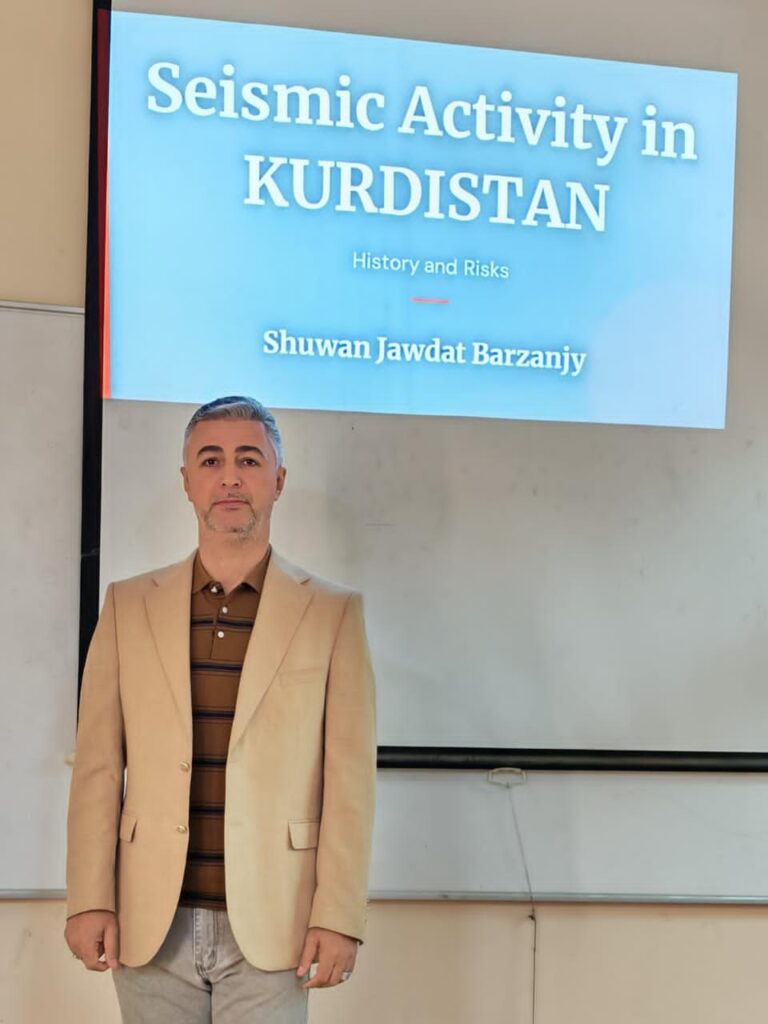
Seismic Activity in Kurdistan

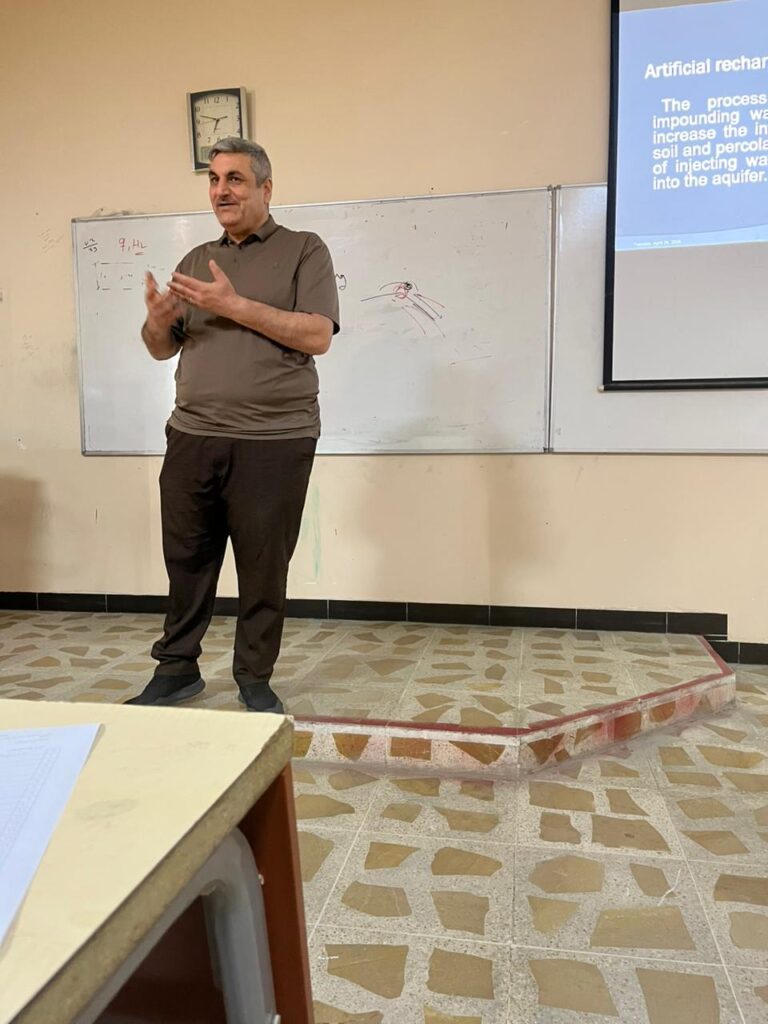
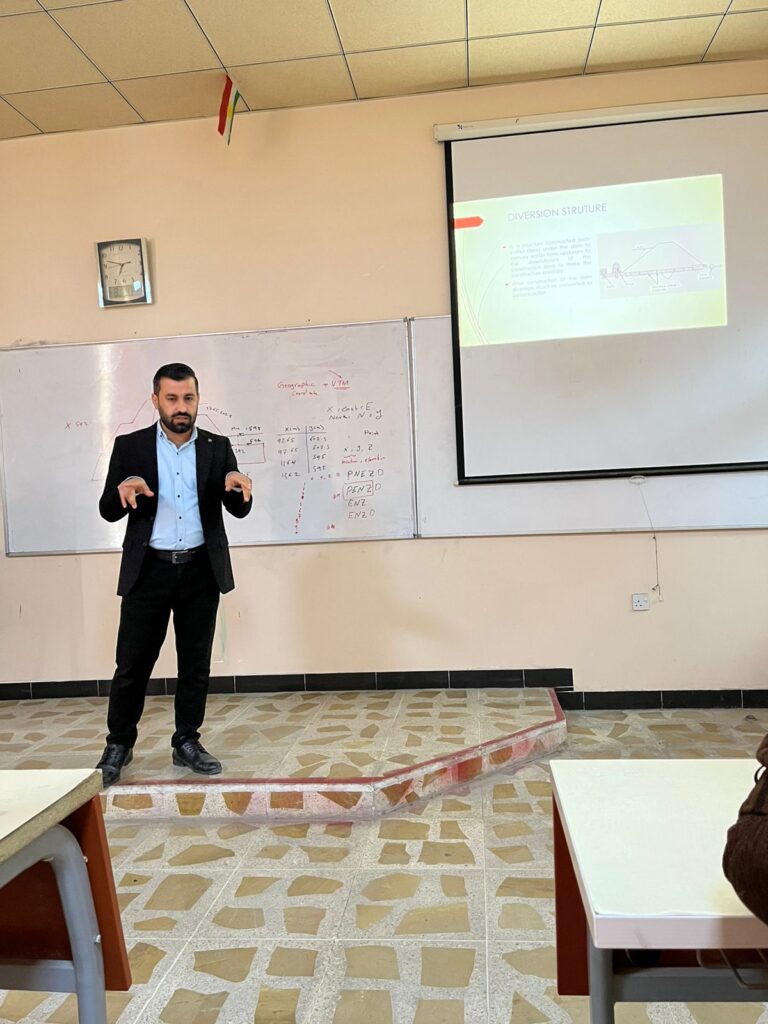
Water Resources Department Presenter:Shuwan Jawdat Barzanjy. Kurdistan is situated in a highly seismic area, formed by theinteraction of the Arabian, Eurasian, and Anatolian tectonic plates.The ongoing collision of these plates creates significant geological features, such as the Zagros and Taurus mountains, and makes the region prone to powerful earthquakes, particularly along the Zagros Fold-Thrust Belt […]

Seismic Activity in Kurdistan Read More »
Rainwater Harvesting

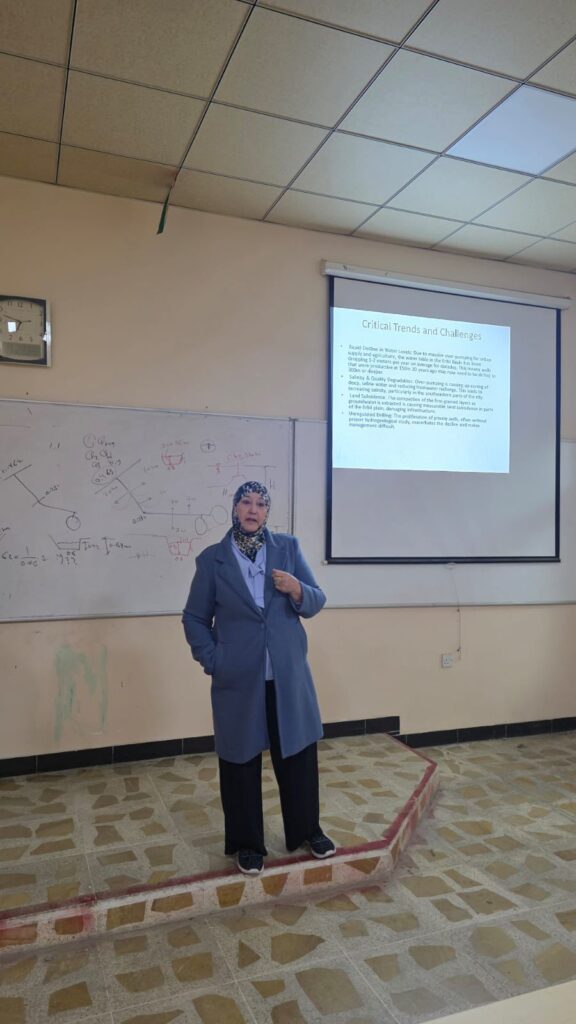
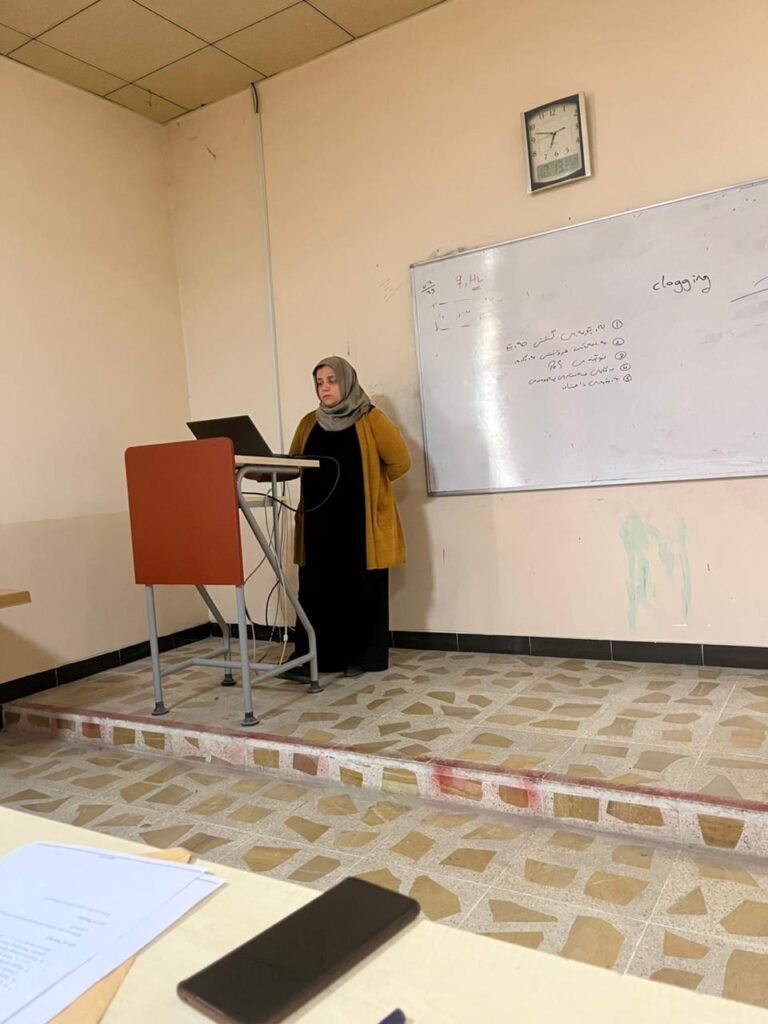
Water resources departmentBinahi M.Amin Said AliDate:28/4/2026Rainwater Harvesting Water is our most valuable natural resource, yet freshwater supplies are increasingly limited due to population growth, climate change, and overuse.Rainwater harvesting is a sustainable and sanitary method of collecting and storing rainwater for later use. It reduces dependence on groundwater and municipal water systems, helping to conserve

Rainwater Harvesting Read More »

CO₂ injection into fresh concrete

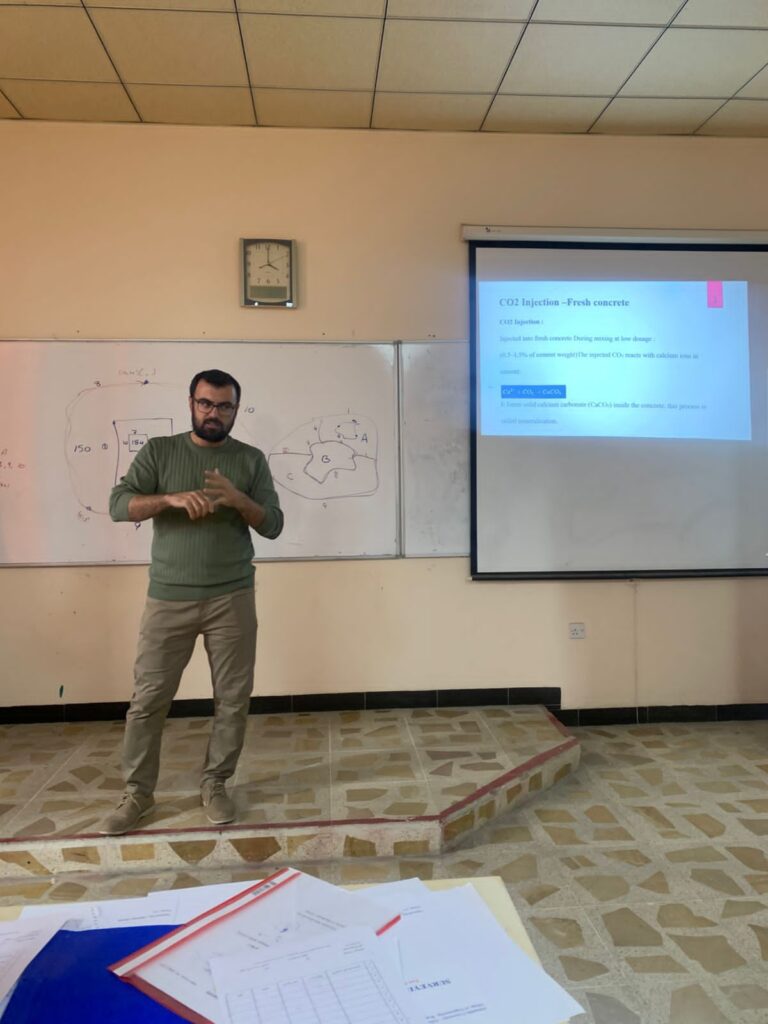
Water resources department Cement manufacture, which includes limestone calcination and fuel burning, is a major source ofworldwide carbon dioxide emissions. Injecting CO₂ into fresh concrete is an innovative way tolower the carbon footprint of construction materials. During the mixing step, a little amount ofcarbon dioxide is added. The injected CO₂ interacts with calcium ions, forming

CO₂ injection into fresh concrete Read More »

The concept of AI artificial intelligence technology

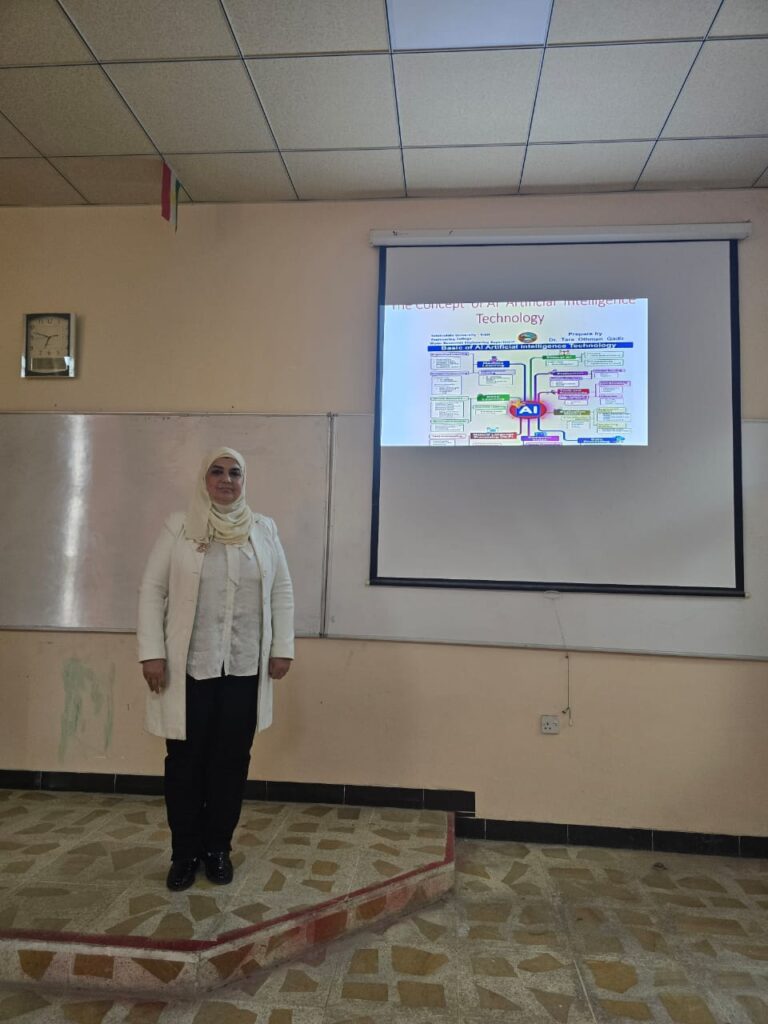
Artificial Intelligence (AI) refers to the ability of computer systems to mimic human intelligence and also to the development of such systems.Expert Systems use rules and logic to anticipate a wide range of possible scenarios.Machine Learning uses probability and statistics to recognize patterns and generalize.Neural Networks are computing systems modeled like the neural connections in

The concept of AI artificial intelligence technology Read More »

The Standardized precipitation Index

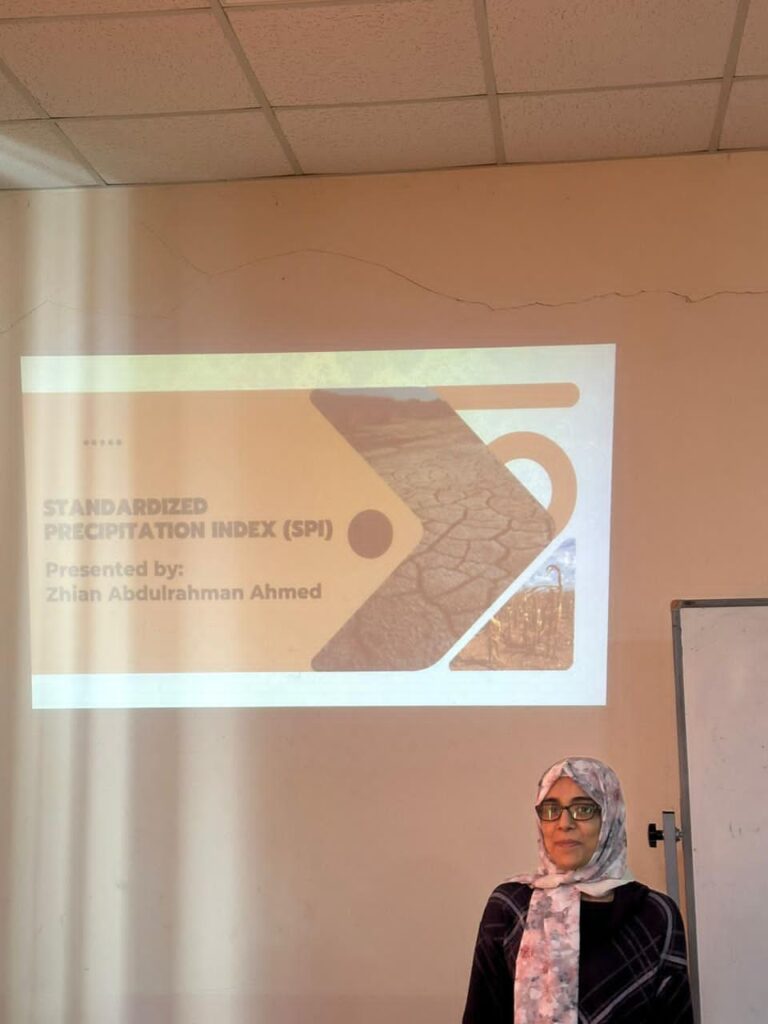
The Standardized Precipitation Index (SPI) is a statistical tool used to monitor and assess drought conditions based solely on precipitation data. It measures how rainfall over a specific period deviates from the long-term average and expresses it in standard deviation units. Positive values indicate wet conditions, while negative values indicate drought, with different categories representing

The Standardized precipitation Index Read More »

Hydrological Response Unit (HRUs)

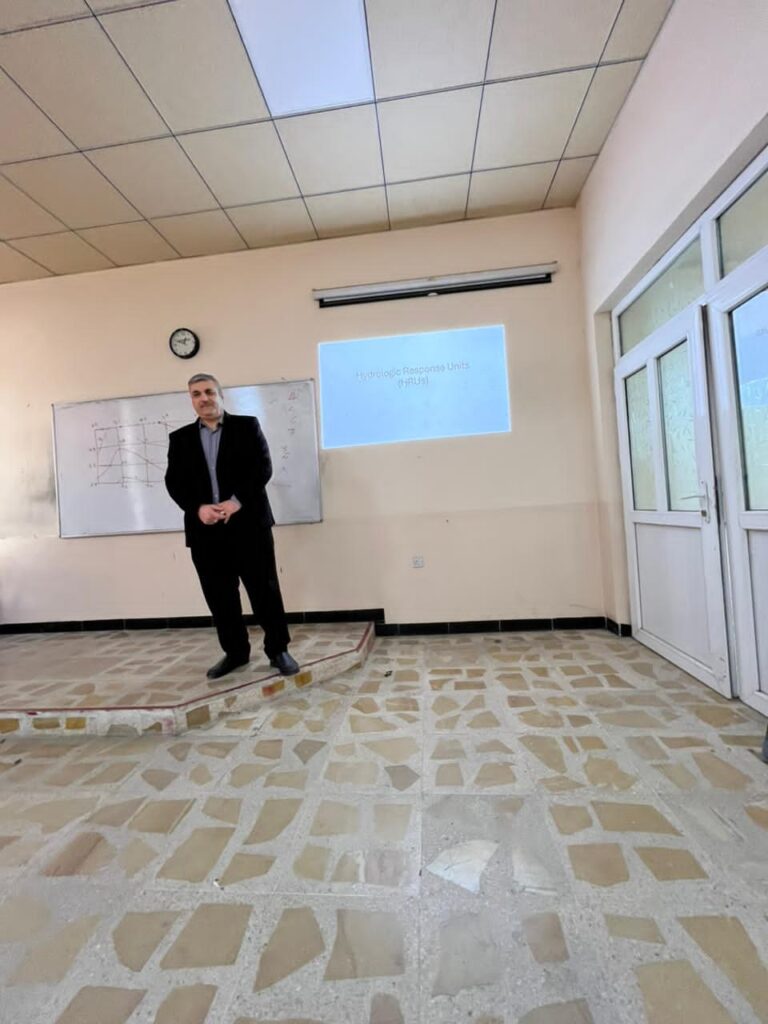
Presenter:Dr.Abdulwahid Ali qasmWater resources departmentDate 11/2/2026 Hydrological Response Unit (HRUs)is a fundamental, homogeneous unit used in watershed modeling, created by overlaying maps of land use, soil type, and land slope. HRUs represent areas expected to behave similarly in response to weather events, enabling the simulation of water, sediment, and nutrient loading, particularly in tools like

Hydrological Response Unit (HRUs) Read More »

An activity based newsletter produced by the Department of Water Resources Engineering

Newsletter_Issue_4 Read about different topics in this issue regarding the most recent activities of the Water Resources Department (Water Resources Engineering Department). This newsletter is an activity based newsletter produced by the Department of Water Resources Engineering at the College of Engineering, Salahaddin University-Erbil-Kurdistan-Iraq. 2025_2026

An activity based newsletter produced by the Department of Water Resources Engineering Read More »